


In most major North American sports, there are winners and there are losers. In football, there are draws – or you can refer to them as ties.
However, there will come a point in this summer’s FIFA World Cup where a winner needs to be crowned, and when that moment comes, extra time will be enforced.
Have you ever heard of overtime? The term in football is extra time, but it works very similarly. But what is overtime and how does it work? When is it implemented in the World Cup?
Here’s everything you need to know about extra time at the 2026 FIFA World Cup.
What is overtime?
Once we get to the knockout rounds of the World Cup – meaning it’s win or go home in the tournament – we’ll start to see extra time take effect. If a match is tied after 90 minutes of regular play, we go into extra time.
Extra time is 30 minutes long, consisting of two halves of 15 minutes each.
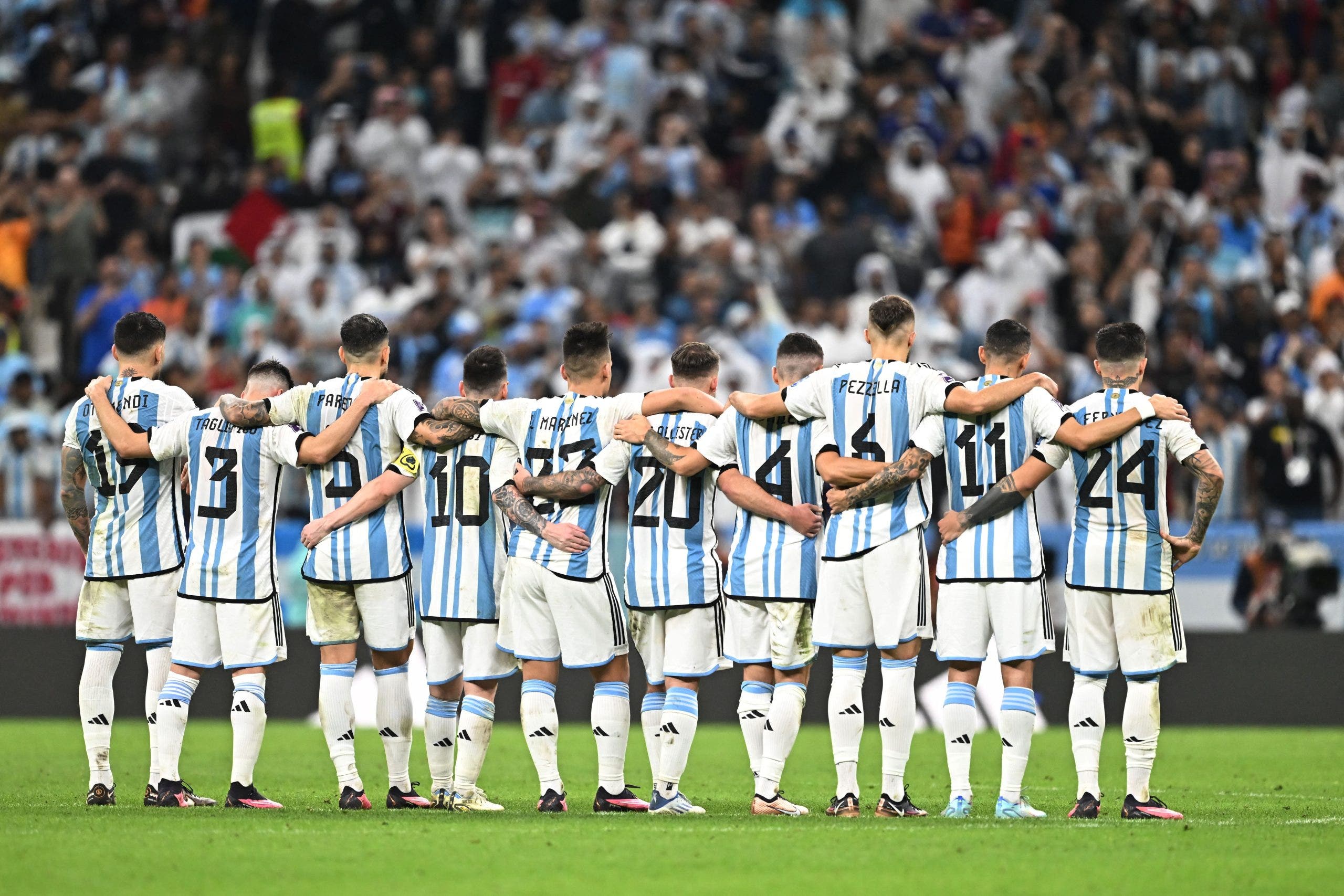
Argentina players gather during the shootout after extra time of the 2022 World Cup quarter-final against the Netherlands. (Photo by Manan Vatsyayan/AFP via Getty Images)
Is there extra time in the group stage?
No, games can go to extra time only during the knockout stage of the tournament, which begins in the Round of 32. Extra time previously began in the Round of 16, but due to the tournament’s expansion from 32 to 48 teams, it now begins earlier. In the group stage, teams can end the game with a draw if the scores are equal.
Does sudden death occur in standby time? What was the golden goal?
No, unlike ice hockey, there is no sudden death in overtime in soccer. This means that if a team scores at any point in extra time, the match continues until the 30-minute period is complete.
There was a brief experiment with a version of sudden death at the World Cup, dubbed the “Golden Goal”. It was in effect for two editions – the 1998 World Cup in France and the 2002 World Cup jointly hosted by Japan and South Korea – before being removed.
During those two tournaments, four games ended with a game-winning golden goal. The first incident occurred in 1998 when French defender Laurent Blanc scored a goal in the 114th minute to help his team defeat Paraguay in the round of 16. France ultimately succeeded in winning its first World Cup trophy.
The golden goal rule proved so controversial that we even named it as one of our top 100 World Cup moments.
This rule proved too cruel 🇫🇷 Ranked 93rd in Best FIFA World Cup™ Moments 🏆
There were three instances of the “golden goal” in the 2002 World Cup – including Turkey’s quarterfinal win over Senegal – before the World Cup returned to a full extra time period.
What happens after overtime? Is there a penalty for this?
Correct! If both teams are still tied at the end of 30 minutes of extra time, the match is decided in a penalty shootout.
penalty. pen. PK. Penalties. Whatever you want to call it, the penalty shootout is one of the most nerve-wracking scenes in the game. Both teams take turns taking kicks from the penalty spot. If, during the first five chances, no team has converted enough to win – we go to “sudden death” and penalties are taken until no one misses.
Which World Cup finals have gone to extra time? What about penalties?
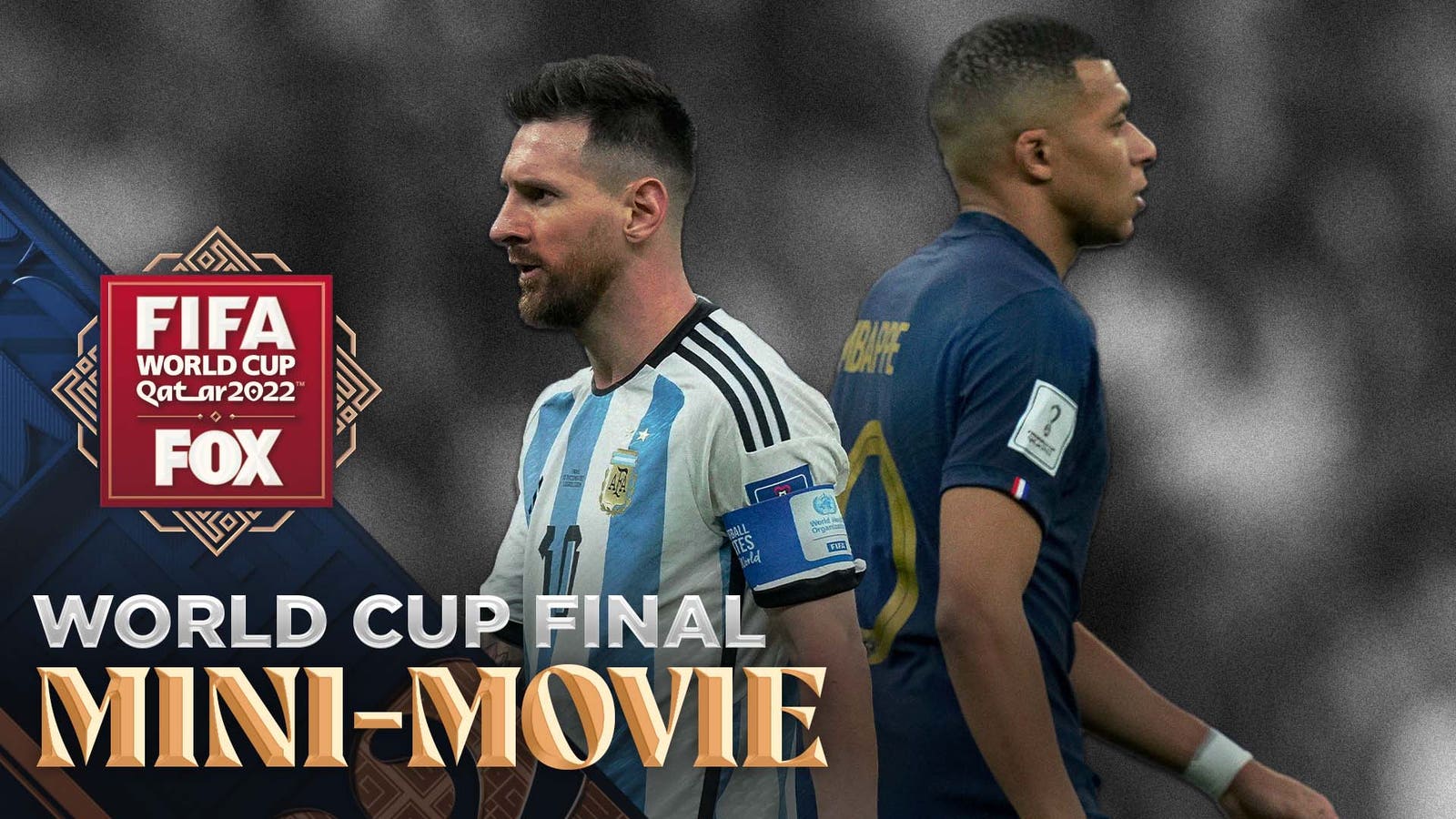
Surprisingly, many finals required extra time and even penalties to decide the champion. This also includes the 2022 epic where Lionel Messi and Argentina needed extra time and penalties to defeat Kylian Mbappe and France in what was arguably the best final ever.
Argentina vs France: Mini-Movie of the 2022 FIFA World Cup Final
- 1934: Italy 2-1 Czechoslovakia (extra time)
- 1966: England 4-2 West Germany (extra time)
- 1978: Argentina 3-1 Netherlands (extra time)
- 1994: Brazil 0–0 Italy (Brazil won; 3–2 in penalty shootout)
- 2006: Italy 1–1 France (Italy won; 5–3 on penalty shootout)
- 2010: Spain 1-0 Netherlands (extra time)
- 2014: Germany 1-0 Argentina (extra time)
- 2022: Argentina 3–3 France (Argentina won; 4–2 on penalty shootout)
