Thomasville, Ga. – When Earl Williams walked through the historically Black neighborhood known as Davie City in his hometown, it was difficult to recognize what he saw.
The walls of homes that once belonged to friends, family, and neighbors were covered in mold. Some were moved up. Others had holes in their roofs.
Black churches once used Oquinnah Creek, which runs along the border of the neighborhood, to baptize their congregations. Today, old waste water systems have resulted in fecal bacteria and other contaminants making the water unsafe.
“Sometimes you feel like you’re in a third world country,” Williams said. After three decades in Washington, D.C., he returned four years ago with a mission to revitalize communities like Davie City, which he said are “part of what makes Thomasville, Thomasville.”
A $19.8 million Community Transformation grant from the Environmental Protection Agency was supposed to transform the neighborhood where Williams grew up.
city and Thomasville Community Development CorporationWhere Williams previously served as community development director, applied for the grant in 2024. It was part of a $2 billion effort Launched under the Biden administration Helping disadvantaged communities deal with environmental health risks and building clean energy and climate resilience projects.
But three months after winning the grant, Thomasville became one of the 80 community from across the country Airport To alabama To Massachusetts -Funding was stripped due to changes in priorities during Donald Trump’s second presidency.
Black churches once baptized their congregations in Oquinnah Creek in Thomasville, Georgia. Today, fecal bacteria and other contaminants make water unsafe. (Bria Lumpkins/KFF Health News)
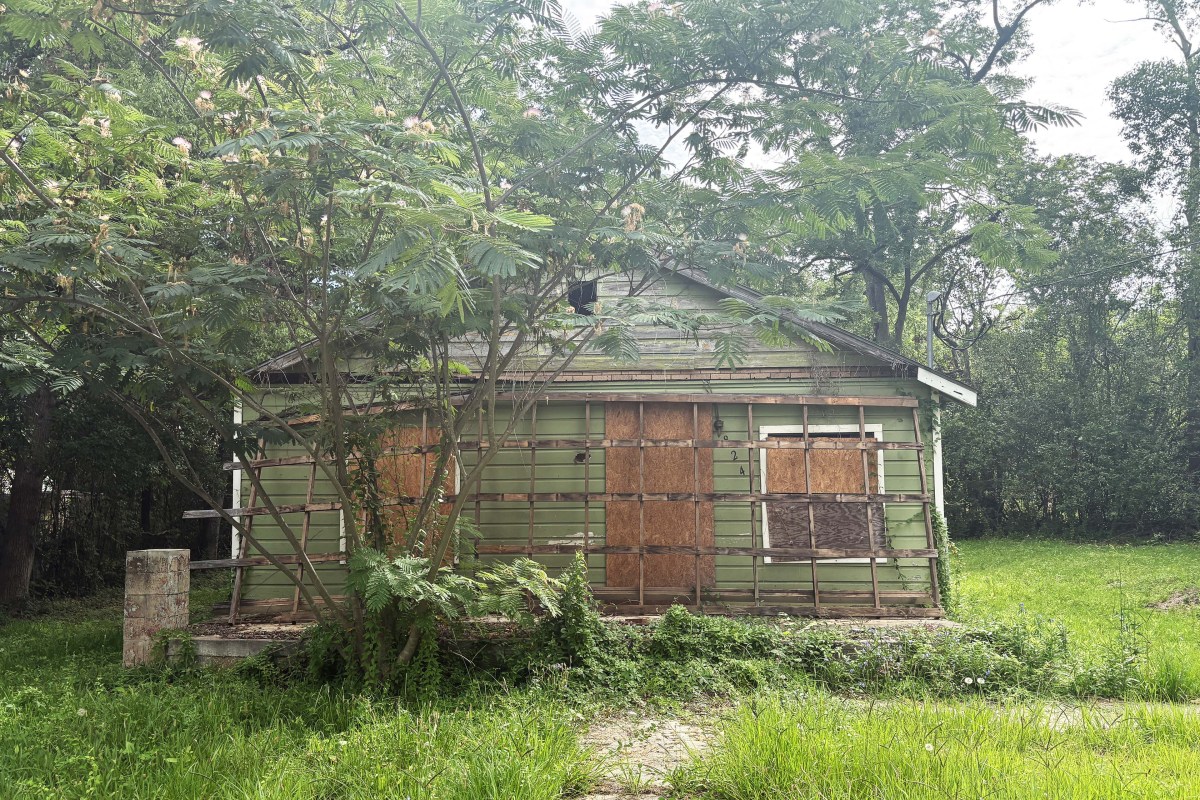
Dilapidated homes are common in Davie City, a historically black neighborhood of Thomasville. Many residents do not have the funds to abate mold, asbestos or lead paint problems. (Bria Lumpkins/KFF Health News)
On the first day of his second term, Trump signed an executive order titled “…End radical and wasteful government DEI programs and prioritize” It said the Biden administration “enforced illegal and unethical discrimination” through diversity, equity and inclusion programs.
In an email statement, EPA spokesman Mike Bastasch said the administration is “fully committed to being a great steward of taxpayer dollars.” He said that DEI’s “radical agenda” and “prioritization” of environmental justice is not within the agency’s core mission of protecting human health and the environment.
However, environmental health advocates argue that the decision to cut the grants was not rooted in science. They say equating environmental justice with DEI is an act of misconception and that withholding money forces disadvantaged communities to delay long-overdue updates needed to protect public health for marginalized populations.
“Unfortunately I believe we are going to see a reversal in the health profile of this country,” he said Jalon White-NewsomAn associate professor at the University of Michigan who served as the first federal chief environmental justice officer in the Biden administration.
“This current federal regime has decided that humanity and public health and justice have no meaning,” he said.

‘Why us?’
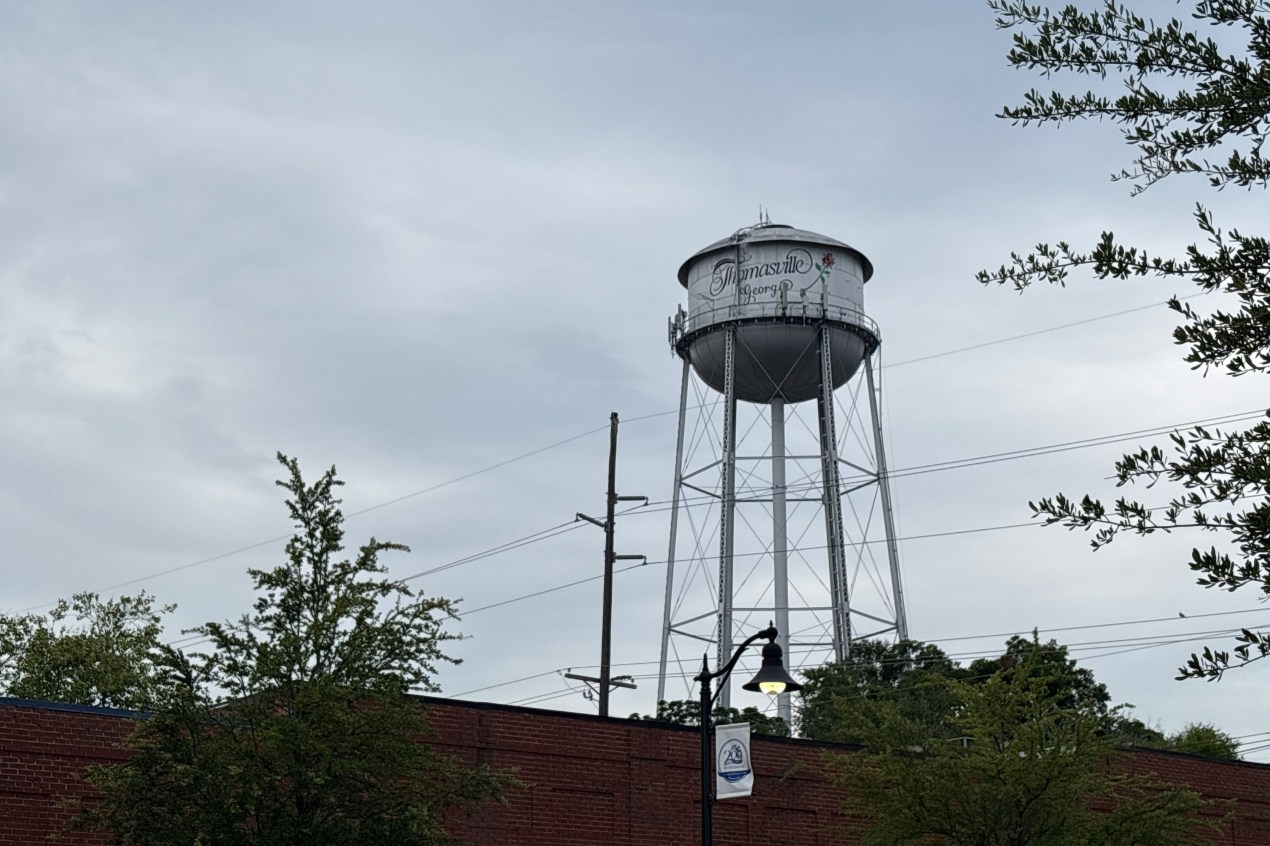
Thomasville, near Georgia’s southwestern border, is home to more than 18,600 people.
The city hoped to improve health outcomes in neighborhoods on its southern and western edges, where, according to the grant proposal, “historical redistricting had created a legacy of disinvestment.”
Those areas have a deep history: Davie City, for example, was the city’s first neighborhood where black citizens could build homes after the war. It is also home to the closed Douglas High School – the first public school for blacks in Thomasville, established in 1902.
“This place has been neglected,” said Williams, who occasionally hosts historical walks through the community. “But it makes sense to bring it back online.”
The proposed “Restoring Resiliency” project included plans to remove toxins such as mold, lead paint and asbestos from homes, repair a nearly 82-year-old waste water system, and convert part of a closed high school band room into a health clinic.
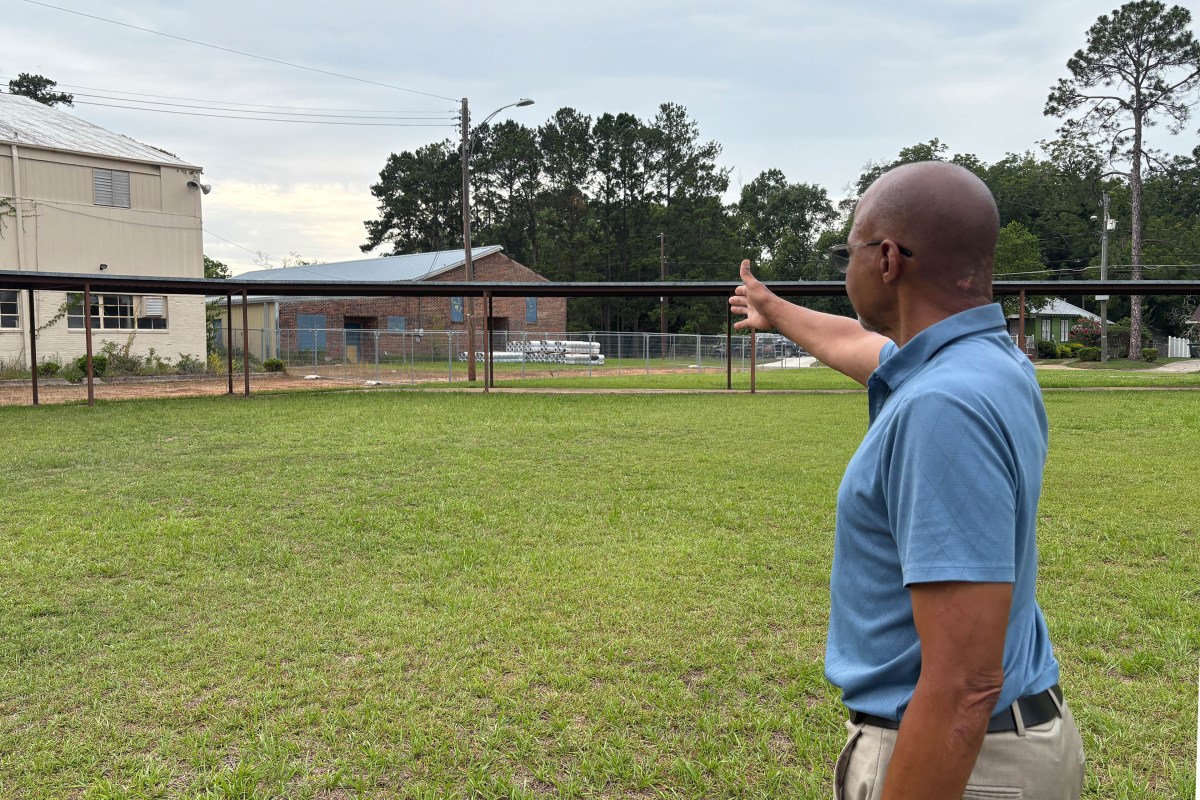
Williams points to the former Douglas High School campus, where a health care clinic and “resilience center” were planned. (Bria Lumpkins/KFF Health News)
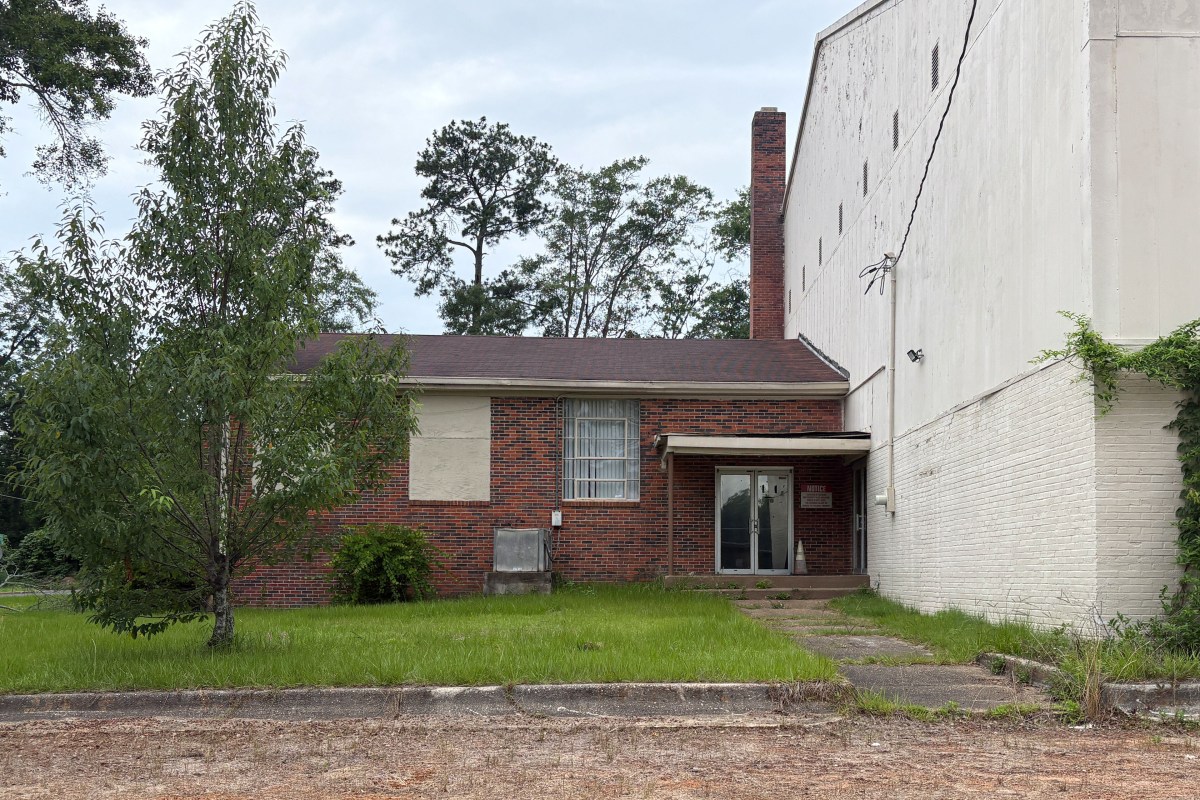
In a community of mostly elderly residents who rely on public transportation, the health care clinic planned for the building will increase access to care and build confidence, local advocates say. (Bria Lumpkins/KFF Health News)
“This was a long and historic effort to bring the case to justice,” said Jeremy Rich, a Thomas County commissioner and pastor of First Missionary Baptist Church. “Justice in health care. Justice in environmental impact.”
Having a clinic in the community will be a “game changer,” Rich said. During the COVID pandemic, she said, elderly residents who rely on public transportation were reluctant to go to the nearest hospital or county health department for vaccination. When his church offered vaccinations to Black nurses, vaccination rates improved, he said.
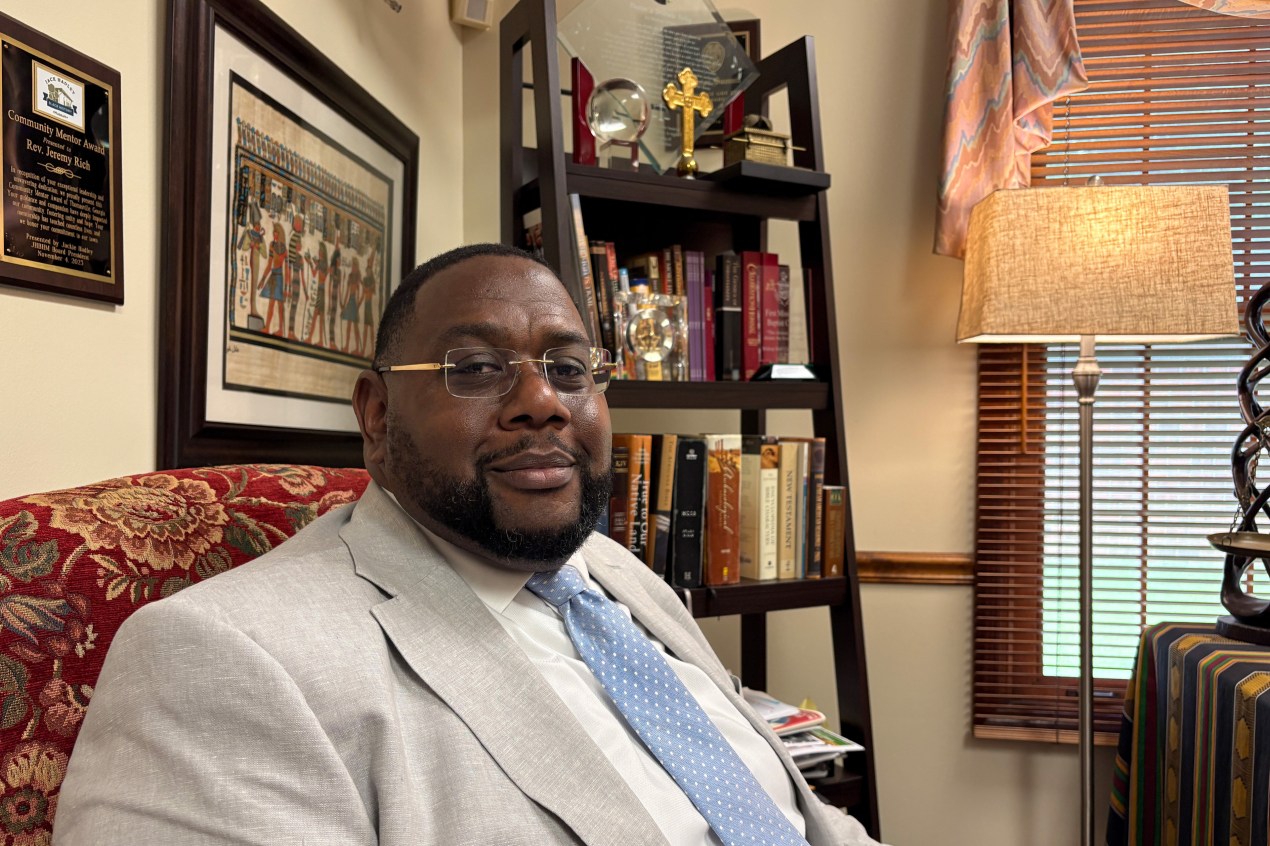
Thomasville Mayor Pro Tem Lucinda Brown said many residents do not have the financial means to remove mold, lead paint and other toxic materials. “They just have money to survive every day. That’s all,” he said. “If they can do it.”
The grant was meant to be hope, and its reversal led many to ask, “Why us?” Williams said.
EPA’s May 2025 letter announcing grant termination said Thomasville’s project “promoted initiatives that conflict with the agency’s policy of prioritizing merit, fairness, and excellence.” The letter said the grant is “inconsistent with the agency’s priorities, and no longer impacts them.”
Jillian Blanchard, senior vice president of climate change and environmental justice, said environmental justice projects are rooted in science, not DEI. advocate for good governmentA national nonprofit that provides free legal assistance in focus areas such as health equity, immigration, and environmental health.
“Where is the water dirty? Where is the air impure?” He said. “That’s where the money should go.”
In June last year, nearly two dozen communities and organizations from across the country filed an application class action lawsuit To reinstate the Community Transformation Grant. The lawsuit argued that the projects – such as efforts to build energy-efficient housing in Kalamazoo, Michigan, and empowering Houston residents in the pollution permitting process – were important.
The case was dismissed by a federal district judge in 2025 but is being appealed.
Thomasville was not named in that lawsuit. But the city appealed the EPA’s decision on its project, with the support of Blanchard’s group. The city and EPA continue to dispute the issue.
This March, the EPA’s deputy inspector general, who serves as an independent watchdog for the agency, issued a report Concluding that the process for determining award winners was fair.
Blanchard said such federal funding is needed because it is difficult for smaller municipalities to achieve large-scale changes without getting stuck with high-interest loans.
“It’s almost impossible,” she said. “That’s one of the reasons things didn’t get done.”
‘it’s not over’
In the meantime, the city of Thomasville has found other ways to make some improvements. With the help of a nearly $3 million federal Community Development Block Grant from the Department of Housing and Urban Development, it repaired portions of the city of Davie’s sewer, water and drainage systems.
The Thomasville Community Development Corporation has begun construction of affordable housing in downtown Davie and intends to convert a portion of the closed Douglas School into apartments for senior citizens.
The corporation has also applied for $764,000 congress fund Through the office of Senator Jon Ossoff (D-Ga.), it hopes to use it to build a community health clinic in downtown Davie. Decisions on these funding requests will be made this autumn.
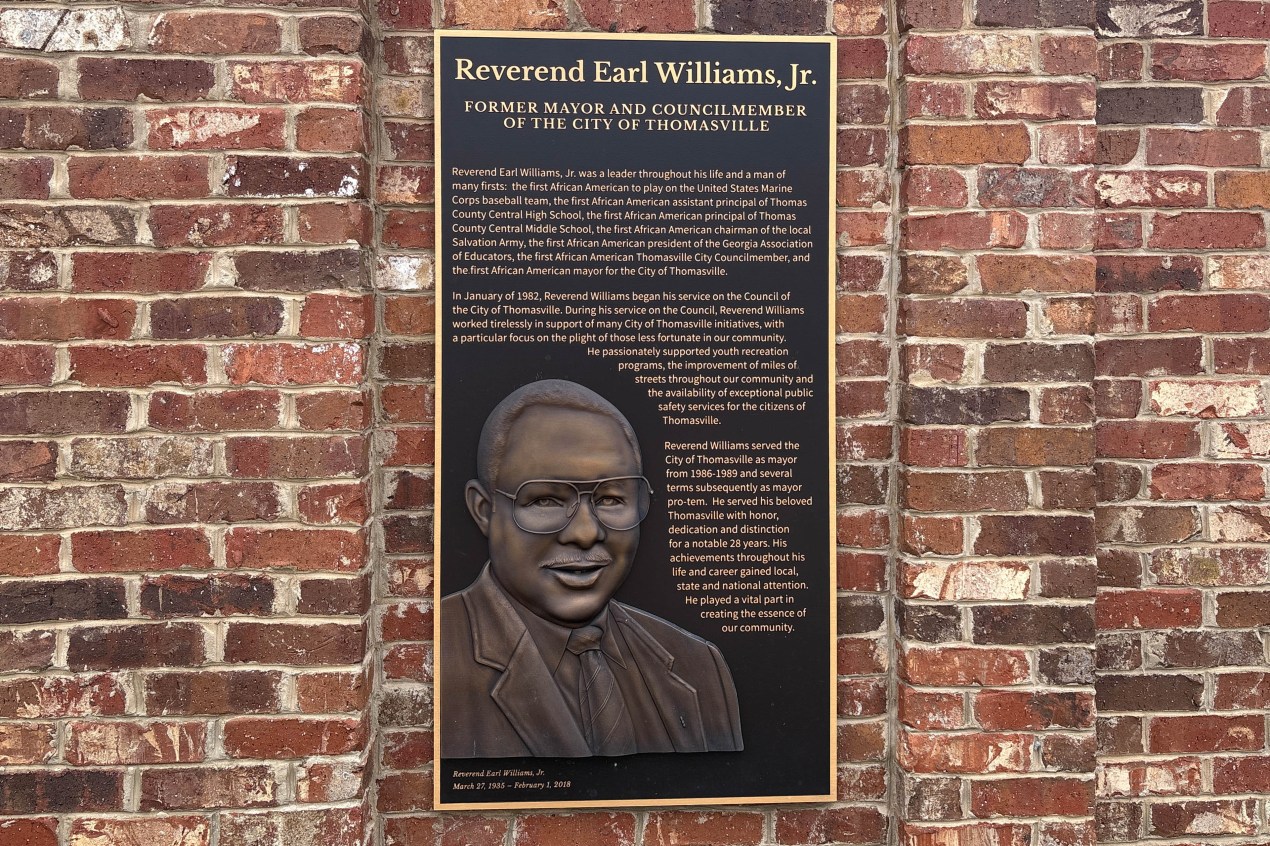
“It’s not over,” said Williams, whose legacy in Thomasville runs deep. At the center of what locals call The Bottom — a two-block area of the city where independent black and other minority-owned businesses once thrived — there is a plaque honoring his father, Earl Williams Jr., the city’s first black mayor.
As he looked at his father’s memorial on a sultry afternoon, he confirmed his intentions.
“There’s still more work to be done and I’m capable of,” he said. “I like being involved in the community.”
But he has little hope that the initial funding will be restored under the current administration.
“That was our shot. We didn’t do anything to miss it,” he said. “We did it during the wrong time.”