


Six months after a West Virginia man died after a lengthy battle with his health insurer over doctor-recommended cancer care, the state’s Republican governor signed a bill aimed at curbing the harms of insurance denials.
West Virginia’s Public Employees Insurance Agency enrolls approximately 215,000 people – state employees, plus their spouses and dependents. The new law, which will take effect June 10, will allow plan members who have been approved for a course of treatment to seek an alternative, medically appropriate treatment of equal or lesser value without requiring any further approval from the state-based health plan.
“This legislation is rooted in a simple principle: If a treatment has already been approved, patients should be able to pursue a medically appropriate alternative without being forced to restart the process – especially when it does not cost as much,” Gov. Patrick Morrisey said in a statement after signing the bill into law on March 31.
“It’s about common sense, compassion and trusting patients and their doctors to make the best decisions for their care,” he said.
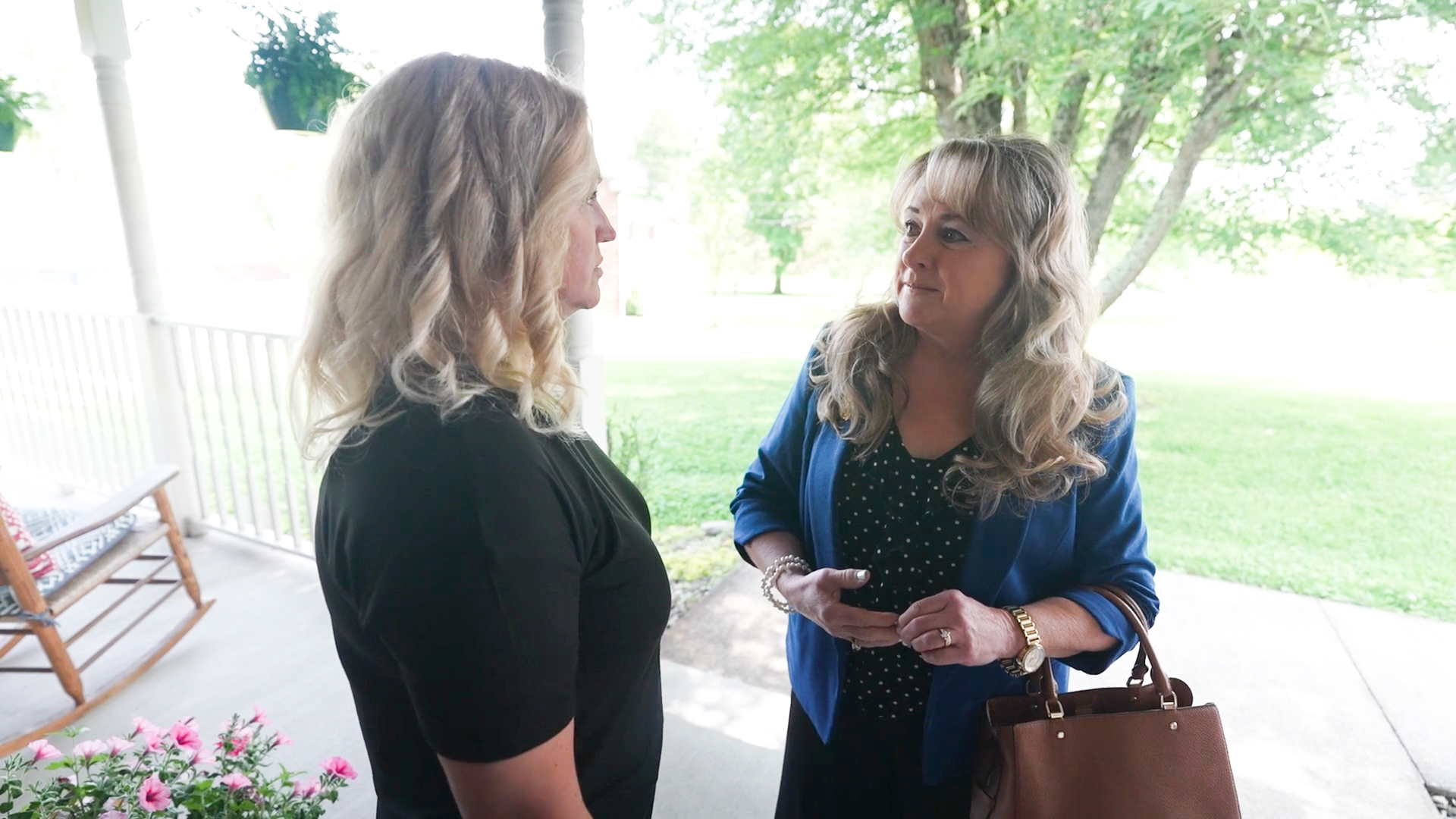
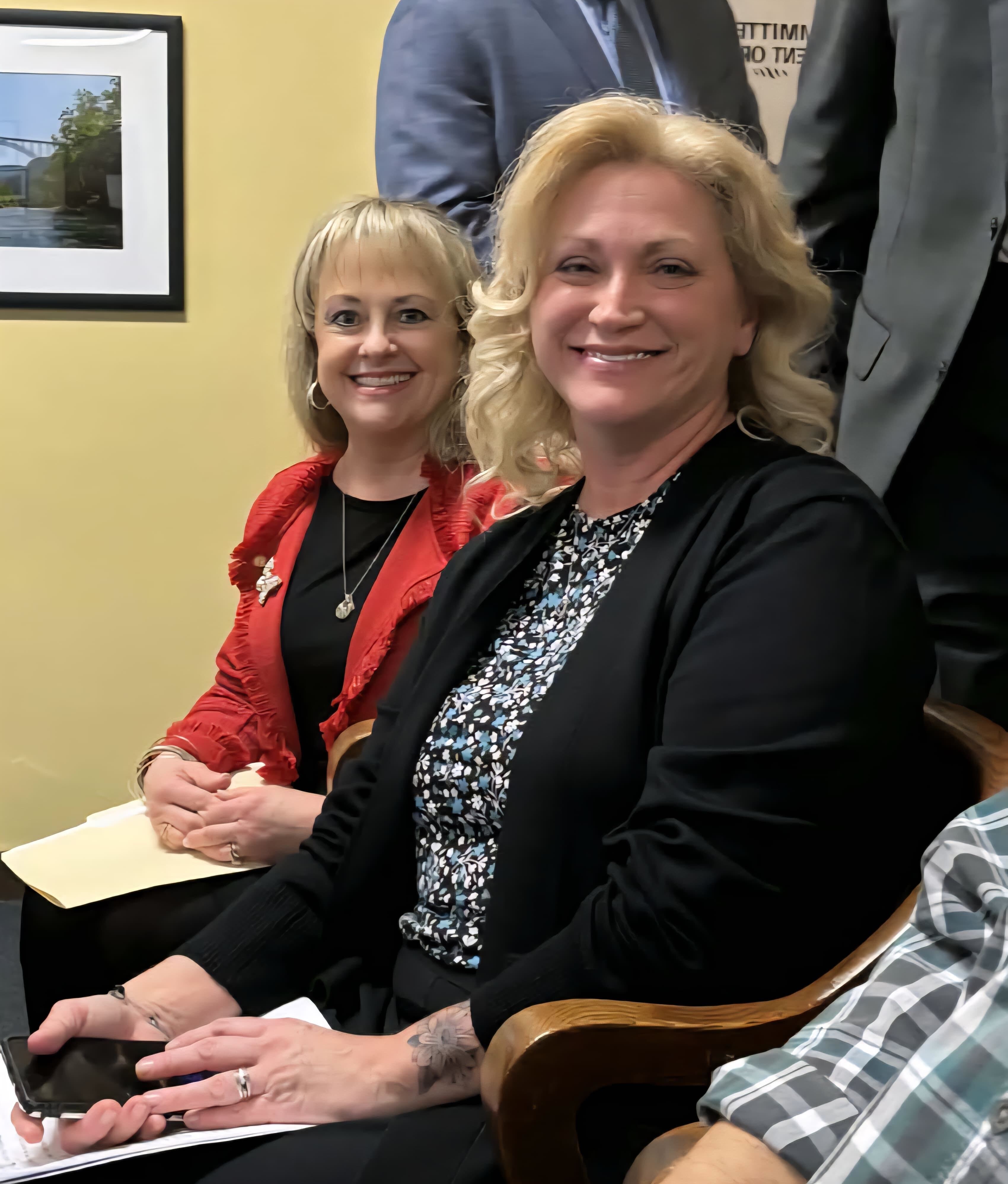
Republican Representative Laura Kimble of Harrison County, who introduced the legislation, told KFF Health News the measure offers “a rational solution” for patients facing “the most irrational and chaotic time of their lives.”
From Arizona to Rhode Island, at least half of all state legislatures have taken up bills this year related to prior authorization, a process that requires patients or their medical team to get approval from insurers before moving forward with care. The state efforts come as patients across the country wait for relief from prior authorization hurdles, as promised by dozens of major health insurers in a pledge announced by the Trump administration last year.
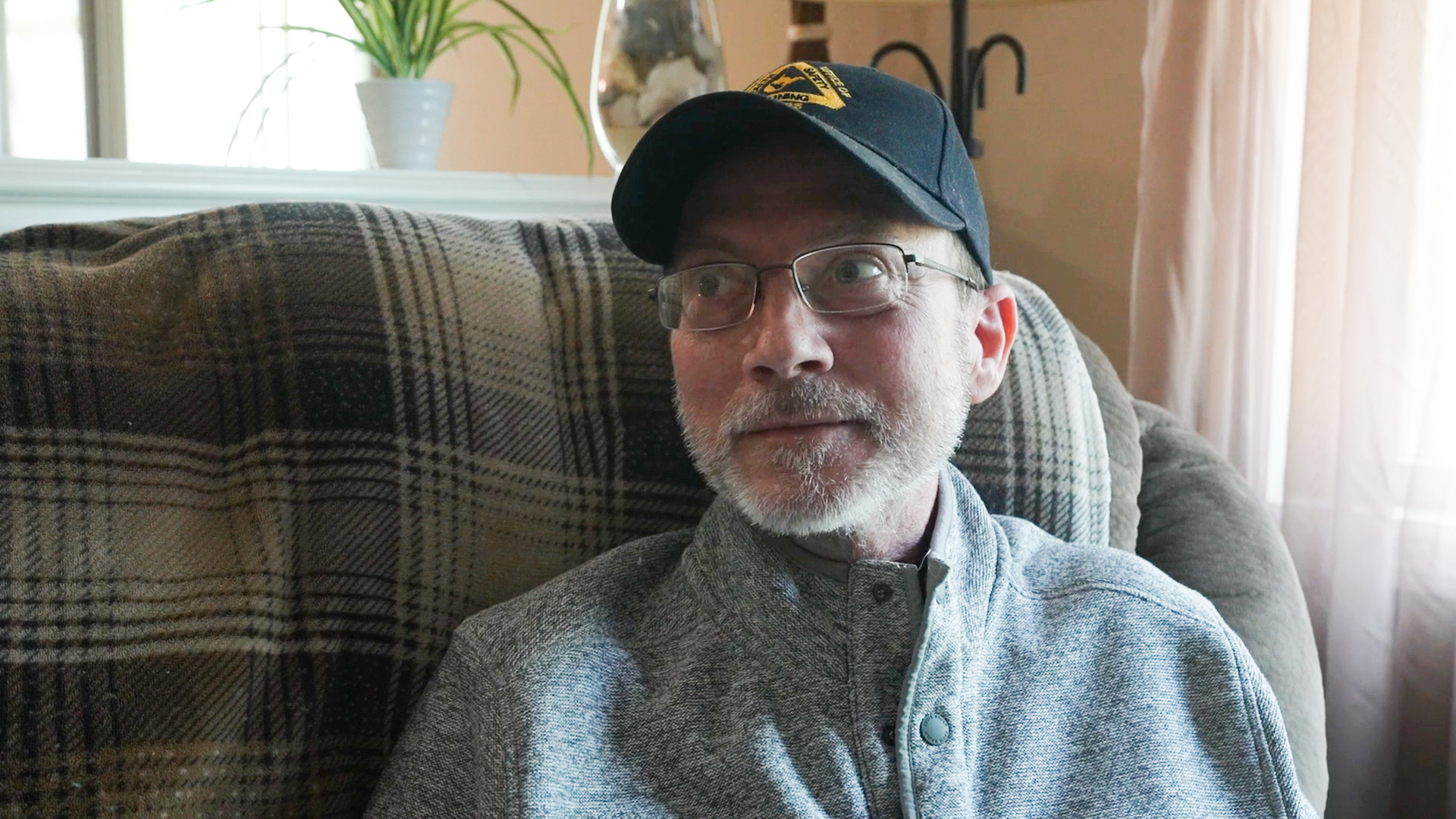
The West Virginia law was inspired by Eric Tennant, a coal-mining safety instructor from Bridgeport who died Sept. 17 at age 58. By early 2025, the Public Employees Insurance Agency They were repeatedly denied coverage The $50,000 non-invasive cancer treatment, called histotripsy, would have used ultrasound waves to target and potentially shrink the largest tumor in her liver. His family did not expect the procedure to cure the cancer, but they hoped it would buy him more time and improve his quality of life. The insurer said the procedure was not medically necessary and was considered “experimental and investigational.”
Eric’s widow, Becky Tennant, told West Virginia House committee members in late February that she had submitted medical records, expert opinions and data as part of multiple efforts to appeal the denial. She also reached out to “almost every representative in our state” to ask for help.
He told lawmakers that nothing worked until KFF Health News and NBC News got involved and asked the Public Employees Insurance Agency questions about Eric’s case. That’s when the insurer reversed its decision and approved histotripsy, Tennant said.
“But by then, the damage caused by the delay had been done,” she said.
Within a week of the reversal in late May, Eric Tennant was hospitalized. His health continued to decline, and by mid-summer he was no longer considered a suitable candidate for the procedure. His wife said, “The insurance company’s decision didn’t just delay care. It closed the door.”
If the new law had been in effect, Kimble said, Tennant could have undergone histotripsy without prior approval because it was a less expensive alternative to chemotherapy, which her insurer had already authorized. The bill was passed unanimously by the state legislature in March.
US health insurers argue that most prior authorization requests are approved quickly, if not immediately. Health insurance industry trade group, AHIP, says former authority Acts as an important guardrail in preventing potential harm to patients and reducing unnecessary health care costs. But denials and delays disproportionately affect patients who need expensive, time-sensitive care, studies have shown.
In recent years, this practice has come under intense scrutiny, particularly after A health insurance executive was fatally shot. In New York City in late 2024. Americans view prior authorization as their biggest burden when it comes to health care, according to one The survey was published in February By KFF, a health information nonprofit that includes KFF Health News.
West Virginia Department of Administration spokeswoman Samantha Knapp would not answer questions about the financial impact of the law on the state. “We prefer to avoid any speculation at this time regarding potential impacts or actions,” Knapp said.
In a fiscal note attached to the bill, Jason Hott, chief financial officer of the Public Employees Insurance Agency, said the legislation would cost the agency $13 million annually and “will cause disruption to members.”
West Virginia is also not far behind in targeting the former authority. By the end of 2025, in addition to the District of Columbia and Puerto Rico, 48 other states already had some form of prior authorization law — or laws — on the books, according to a Report published in December By the National Association of Insurance Commissioners.
Many states have established “gold carding” programs, which allow physicians with a track record of approval to bypass prior authorization requirements. Some states set a maximum number of days for insurance companies to respond to requests, while others prohibit insurance companies from issuing retroactive denials after a service has already been pre-authorized. There are also several new state laws regulating the use of artificial intelligence in prior authorization decision making.
Meanwhile, prior authorization bills introduced this year across the country, including in Kentucky, Missouri and New Jersey, have been supported by politicians in both parties.
“Republicans in conservative states see health care as a weakness for the midterm elections, and so, surprisingly, you’ll see some action on it,” said Robert Hartwig, a clinical associate professor of risk management, insurance and finance at the University of South Carolina. “They realize that they’re not really going to get much action at the federal level given the degree of impasse that we’ve already seen.”
Last summer, the Trump administration announced a pledge signed by dozens of health insurers to reform prior authorization. Insurers promised to reduce the scope of claims that require pre-approval, reduce wait times, and communicate with patients in clear language when denying requests.
Consumers, patient advocates, and medical providers expressed doubt That companies will follow through on their promises.
Becky Tennant also has her doubts. That’s why he advocated the West Virginia Bill.
“Families should not beg, plead or go public just to access time-sensitive care,” she told MPs. Tennant, who considers the bill’s passage bittersweet, said she thought her husband would have been proud.
Tennant remembers that during Eric’s final hospital stay, just before he was discharged to home hospice care, she asked him if he wanted her to keep fighting to change the state agency’s prior authorization process.
“‘Well, you need to at least try to change it,'” she recalls her husband saying. “‘Because it’s not fair.'”
“I told him I would keep trying,” she said, “at least for a while. And so I’m keeping the promise I made to him.”
NBC News Health and Medical Unit producer Jason Kane and correspondent Erin McLaughlin contributed to this report.
Do you have any experience with prior authorization that you would like to share? Click here To tell your story to KFF Health News.
